
For multi-branch HVAC, plumbing, and home-services operators who've outgrown ServiceTitan or Housecall Pro, and for FSM SaaS vendors scaling past what their in-house team can ship.
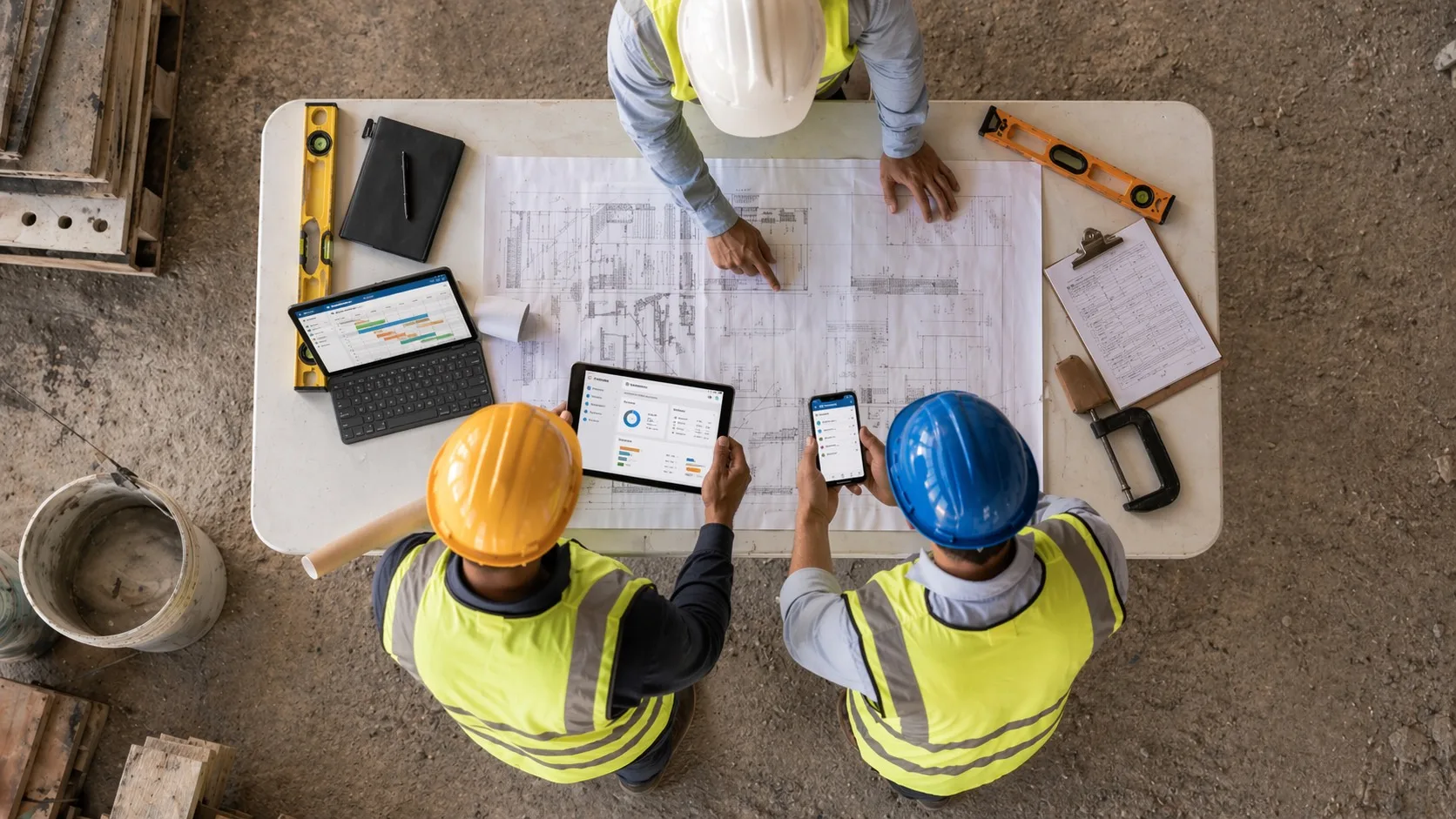
Field-ops platforms shipped for multi-market operators and FSM SaaS vendors.
Most multi-branch operators we talk to are stuck on one of four things, and none of them are solved by another packaged SaaS.
These are solved by software built around how your business runs: your dispatch logic, your service mix, your integration map, your mobile flow.
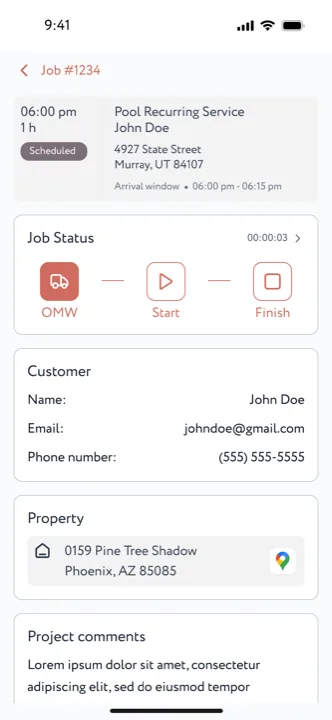
Mobile-first and offline-capable, built so techs can actually use it on a truck with patchy cell coverage, work orders, photos, parts, and sign-off that sync when the bars come back.
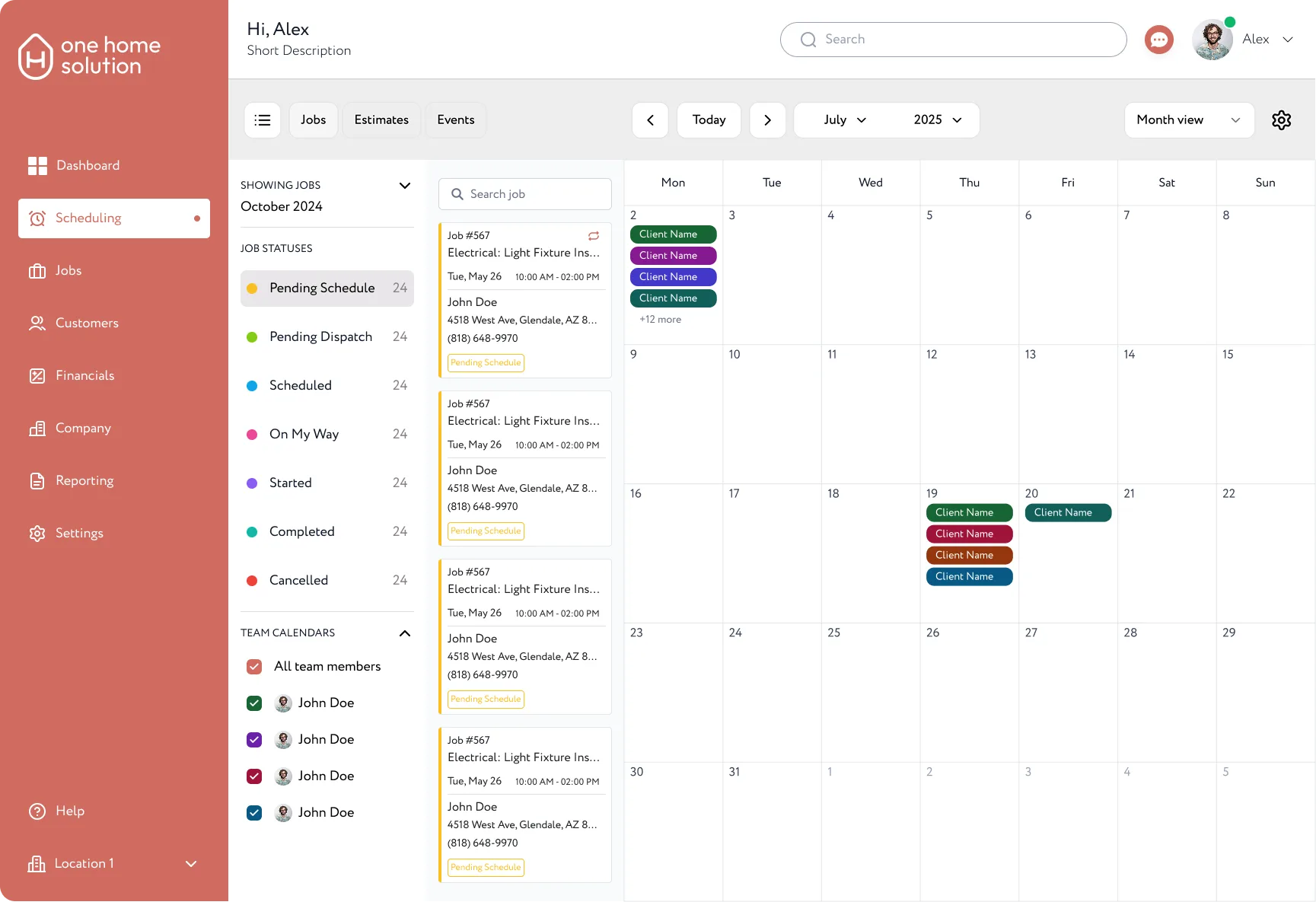
Real-time work-order visibility, route and schedule optimization, and multi-dispatcher flows, plus a client app for customer-facing booking and service history, branded on your domain.
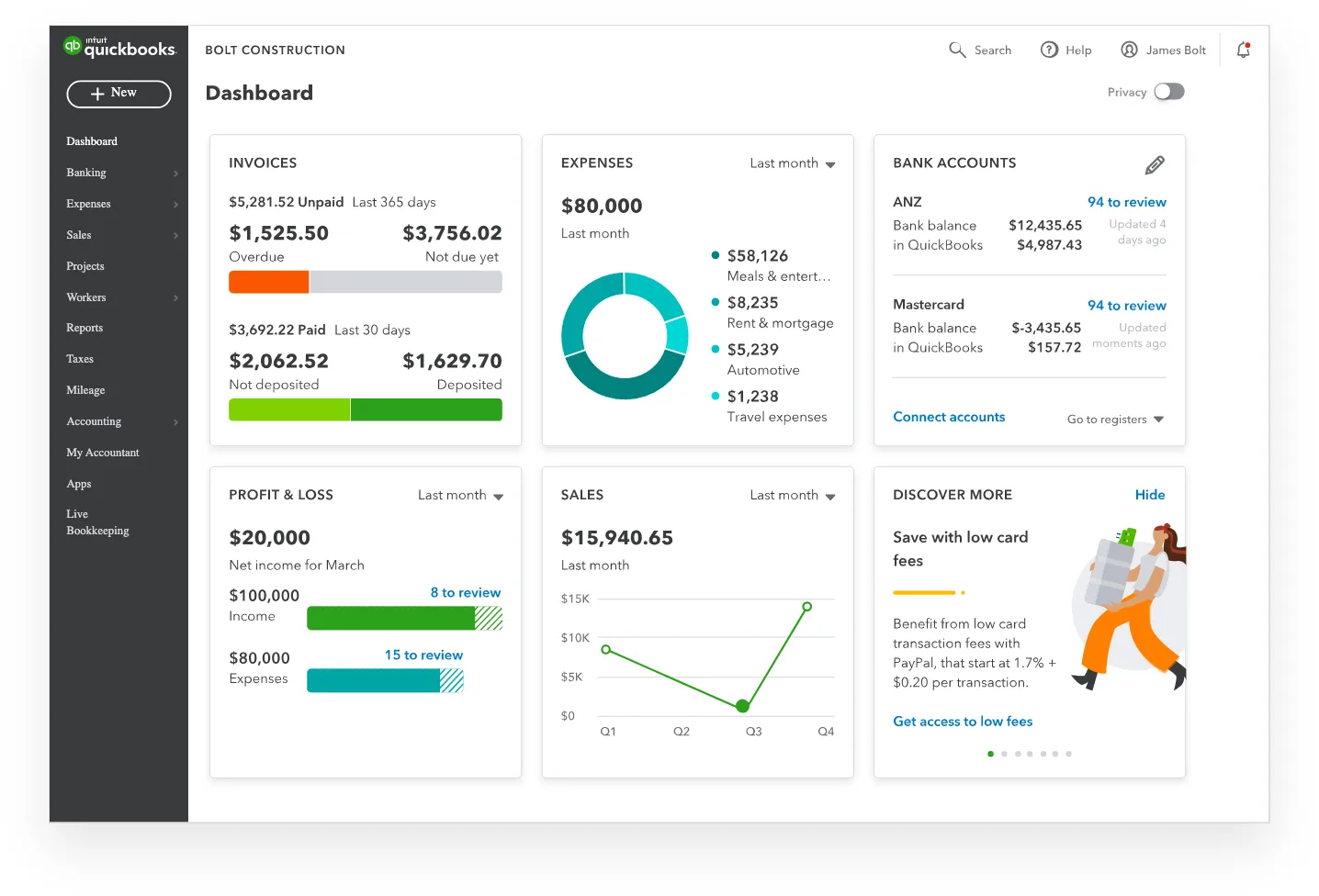
One-way QuickBooks sync with retries and full logging, plus GIS / ArcGIS, telematics, payment, and subcontractor systems, whatever you actually run. And you own the code and the architecture: no per-seat escalation, no lock-in.
We meet your dispatchers, your best techs, and your back-office lead. Map the current workflow, name the 3–5 pain points that hurt most, and set a feature scope the first build will hit.
A small senior team, typically 4 to 8 engineers for an operator build, with US engineering review on every PR and weekly demos. You see progress, not a status report.
We ship behind a flag, pilot with one branch or one dispatcher, and roll out the rest when you're ready. You own the codebase at the end, most operators keep us for phase 2.
A bounded feature, a new integration, a dispatcher tool, a client app, typically ships to production in 6 to 10 weeks. A full operator platform (client app + technician interface + back-office) usually runs 4 to 8 months from kickoff. We ship incrementally; you don't wait months for the first visible thing.
Across Utah, Orange County, and Arizona, One Home Solution runs HVAC, plumbing, electrical, and general repairs. They needed software that handled all of it across three markets, not a single-trade SaaS scaled up. We shipped their Client App, a Technician Field Interface, a Back-Office Dashboard, and an AI pricing engine their crews use daily.
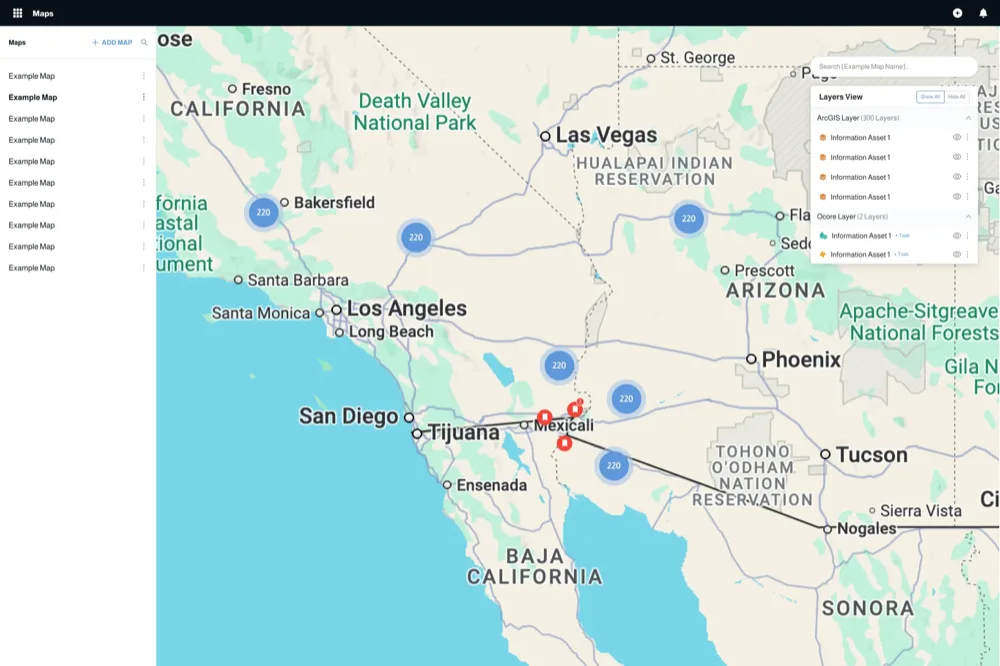
Our 4-FTE team built the full field-ops platform on Meteor / Node / React with ArcGIS geospatial integration, offline-first mobile, and a real work-order flow from dispatch to invoice. Eric Smith, President of APCO, is a referenceable client.
Running a single-trade shop? We have dedicated pages for custom HVAC software and custom plumbing software, with vertical-specific pain points, warranty-portal integrations, and dispatch framing.
If you're the CTO or co-founder watching Oracle, SAP, or ServiceNow demo agentic dispatch features your roadmap won't hit for 18 months, or if hiring a senior AI engineer is an 8-to-12-month ordeal at comp you can't match, we run a small senior team that embeds alongside yours as staff augmentation.
Ocore is our strongest FSM-vendor proof point: a 4-FTE platform build on Meteor / Node / React + ArcGIS + offline-first mobile, with a live reference at APCO.
Book a 30-min technical scoping callPackaged FSM SaaS is excellent for the operator-shape those products were designed for, usually a single-trade, single-location, 1–10 truck shop. Once you're multi-market, multi-trade, or running a dispatch flow those products' workflows can't bend to, you end up configuring around their limits forever. Custom is worth it when the configuration work costs more than a rebuild, when a renewal pricing climb makes you want to own the code, or when an integration you actually need doesn't exist in the packaged product's catalog.
Two differences. First, we're a small senior team, not a marketplace and not a 1,000-engineer offshore shop, the engineers on your project have shipped production software for a decade, and you meet them in Week 1. Second, we're a field-operations specialist: Ocore and One Home Solution are published case studies in exactly this vertical. General-purpose shops can staff anything, but they don't land a CTO call already knowing your dispatch flow.
Bounded staff augmentation. We scope the feature set with you in Week 1, agree a feature + timeline shape, and assign a small senior team for the duration. No per-seat SaaS licensing, no lock-in. Engagements typically run 3–9 months for a full operator build, shorter (2–4 months) for a specific feature or integration. Week 1 is always scoping + evals; shipping starts Week 2.
One-way sync from our platform into QuickBooks, queued with retries on network blips, and every attempted sync is logged, so if something fails, your back office can see exactly which invoice and why. QuickBooks ships updates on their cadence; our side keeps working. For One Home Solution this was the hardest problem we solved first: bounced syncs were burning real hours every week, and the fix held through multiple QuickBooks release cycles.
Depends on scope. A bounded feature (a new integration, a dispatcher tool, a customer-facing client app) typically ships to production in 6–10 weeks. A full operator platform build (Client App + Technician interface + back-office) is usually 4–8 months from kickoff. We ship incrementally, so you don't wait months for the first visible thing, pilot with one branch or one dispatcher first, then roll wider.
You do. Code, architecture, deployment pipeline, and documentation are all yours at the end. We can stay on for a support and extension window, most operators keep us for phase 2 work, but the IP is yours from day one, with no vendor lock-in built into the engagement.
For multi-branch HVAC operators outgrowing ServiceTitan, FieldEdge, or Housecall Pro.
For multi-branch plumbing operators with emergency dispatch, parts-on-truck, and multi-license field work.
For 3PL, last-mile, and fleet operators whose routing and dispatch overlap with field-service work.
The parent practice: senior US-contracted teams building custom platforms across verticals.
A 15-minute operator-to-operator call. No deck, no pitch. You tell us what hurts most; we tell you whether a custom build is actually the right move, and if it isn't, we'll say so.